
MEWP usage Drone surveys, Borescope surveys, intrusive surveys, EWS1 surveys, FRAEW reports

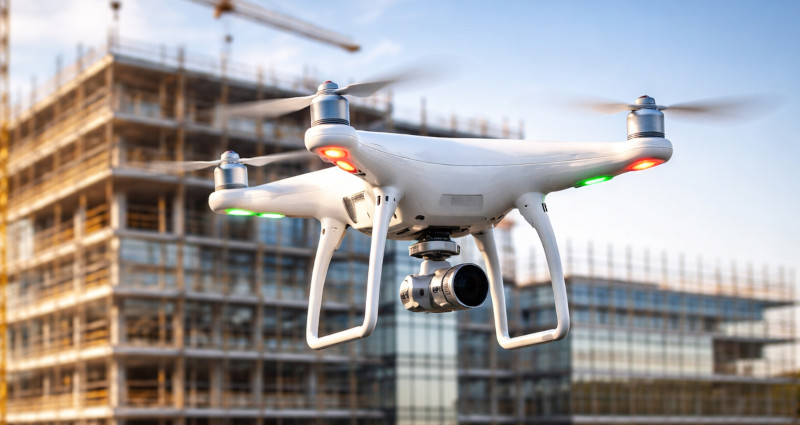
Drone surveys, using a drone for large buildings is an established practice in the architecture, engineering, construction (AEC), and property management industries, offering significant advantages in safety, cost-effectiveness, and data collection efficiency compared to traditional methods like scaffolding or manual inspections.

  • Inspections and Surveys

  • 3D Modeling and Mapping

  • Construction Monitoring

  • Safety and Security Assessments

Drone surveys

Efficient, cost effective and Full HD imaging

Drone surveys, our Drones capture high-resolution images and video of difficult-to-access areas like roofs, facades, chimneys, and high-rise structural elements to identify issues such as cracks, water damage, or general wear and tear.

Acquired data can be processed into detailed 2D or 3D models (photogrammetry or LiDAR point clouds) that aid in maintenance planning, architectural conservation, and integration with Building Information Modeling (BIM) systems.

On active construction sites, drones monitor progress against schedules, perform material audits, and provide an ongoing, permanent visual record of installations and site activity.

Drone surveys, drones allow personnel to inspect hazardous or unstable structures from a safe distance on the ground, reducing risk. They can also be used for security perimeter assessments.

Eliminates the need for personnel to work at dangerous heights or on unstable structures, significantly reducing accident risk.

Drone survey avoids the expense and time required for scaffolding, cranes, or other elevated access equipment. Data collection is much faster than manual methods.

Provides unparalleled aerial perspectives and detailed, high-resolution imagery that can be difficult or impossible to capture otherwise.

Non-invasive operations mean day-to-day building activities or site operations can continue without major interruption.

Regulatory Considerations

When using drones commercially for large buildings, our operators must adhere to local aviation regulations.

  • Flight Restrictions: Our operators follow rules regarding altitude limits (e.g., typically no higher than 400 feet/120 meters), distance from uninvolved people and non-consenting buildings, and no-fly zones (e.g., near airports or government buildings).

  • Privacy: Our operators have a responsibility to respect the privacy of others and must comply with data protection laws when capturing images that could identify individuals in private areas.

  • For professional services, specialized companies use advanced software for automated mission planning and data processing to ensure high-quality, consistent results

Our team have been involved in the property industry for over 35 years gaining a vast experience in all types of construction. After the Grenfell Tower disaster of June 14th 2017, we became heavily involved in building assessments all over the UK. Our work is in accordance with PAS9980, conducting intrusive surveys for EWS1 reports and fire risk assessments. Our approach is to gain as much information as possible for our clients with the minimum disruption to the residents.

The case for Intrusive  surveys and compliance with the building regulations act 2022 is very clear