
The case for Intrusive surveys and compliance with the building regulations act 2022 is very clear
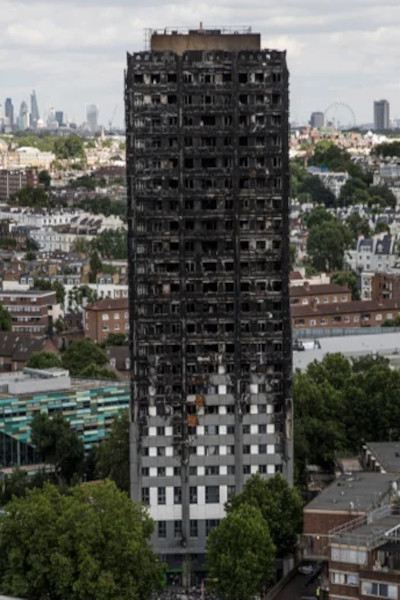
The Grenfell Tower fire was caused by an electrical fault in a fridge-freezer, but the fire spread rapidly and became a catastrophe due to a combination of flammable cladding and insulation, and decades of systemic failures by government, manufacturers, and management organizations.
The Initial Cause
The fire began in the early hours of June 14, 2017, due to an electrical fault in a Hotpoint fridge-freezer in a fourth-floor flat. The resident of the flat was quickly alerted by a smoke alarm and called the fire brigade, but the fire escaped the flat through the kitchen window, igniting the exterior of the building.
Key Contributing Factors
The Grenfell Tower Inquiry, which published its final report in 2024, found that the disaster was an “avoidable” consequence of a multitude of failures.
- Highly Flammable Cladding and Insulation The primary reason for the rapid and “profoundly shocking” spread of the fire was the aluminium composite material (ACM) cladding panels with a polyethylene core and combustible insulation, which were installed during a recent refurbishment. The materials were highly combustible and created a “chimney effect,” allowing flames to race up the building in minutes.
- “Systematic Dishonesty” by Manufacturers The inquiry concluded that the manufacturers of the cladding (Arconic) and insulation (Celotex and Kingspan) engaged in “deliberate and sustained strategies to manipulate the testing processes, misrepresent test data and mislead the market”.
- Failures in Government and Regulation Successive governments for decades were found to have ignored warnings and failed to act on recommendations after previous cladding fires. A drive for deregulation under the David Cameron government prioritized cost-cutting over safety, allowing crucial safety matters to be “ignored, delayed or disregarded”. The building safety management system in England and Wales was found to be “seriously defective”.
- Indifference by Landlord and Management The local council (Royal Borough of Kensington and Chelsea) and its Tenant Management Organisation (KCTMO) showed a “persistent indifference to fire safety,” ignored residents’ repeated safety concerns and warnings, and chose a cheaper, less fire-resistant cladding option to improve the building’s appearance.
- Inadequate Fire Services Response The London Fire Brigade (LFB) had systemic failures in its response, including a “stay put” policy that should have been abandoned much earlier. Firefighters were not adequately trained to deal with a cladding fire, and communication issues and faulty equipment hampered rescue efforts
Our team have been involved in the property industry for over 35 years gaining a vast experience in all types of construction. After the Grenfell Tower disaster of June 14th 2017, we became heavily involved in building assessments all over the UK. Our work is in accordance with PAS9980, conducting intrusive surveys for EWS1 reports and fire risk assessments. Our approach is to gain as much information as possible for our clients with the minimum disruption to the residents.
Why do we need to carry out Fire risk assessments of buildings over 18m?